
Bergamot Boxes: Reviving a Forgotten Art—the fragrant peel of citrus fruit.
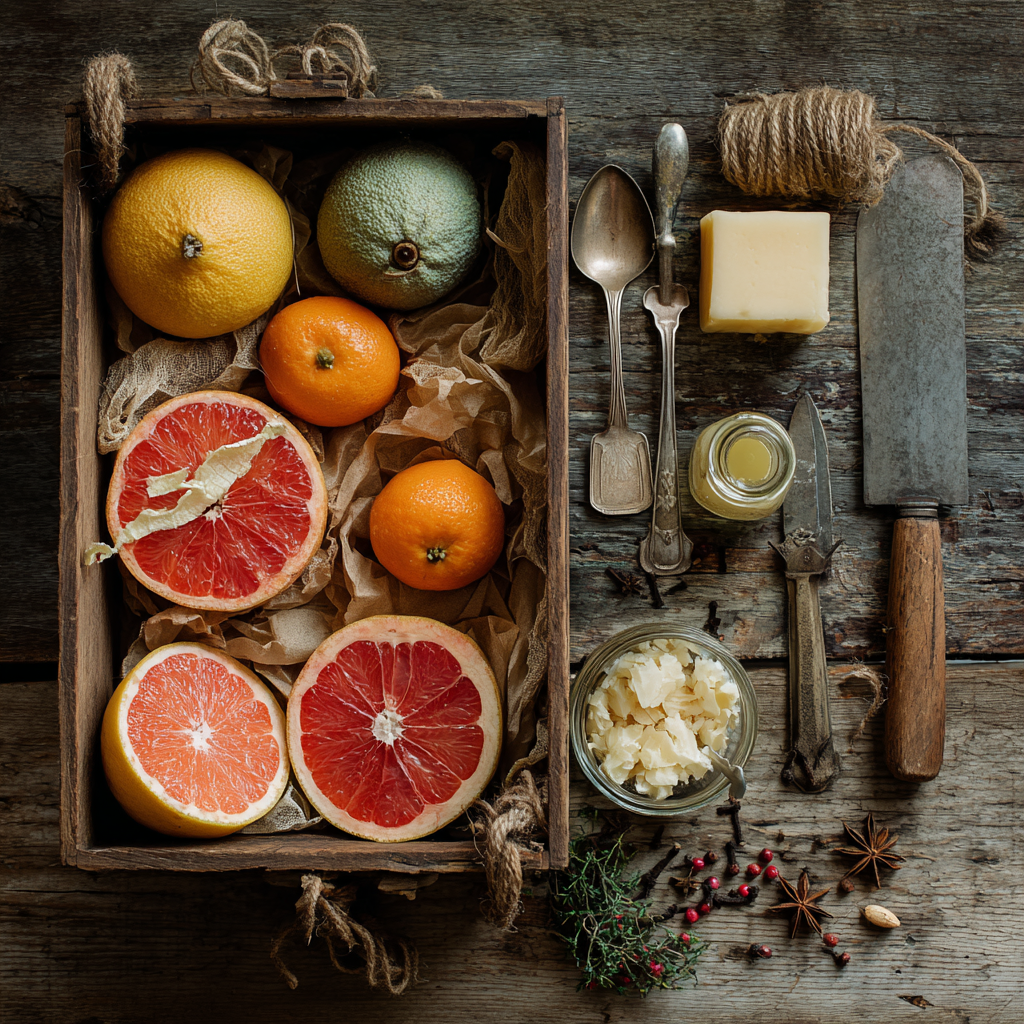
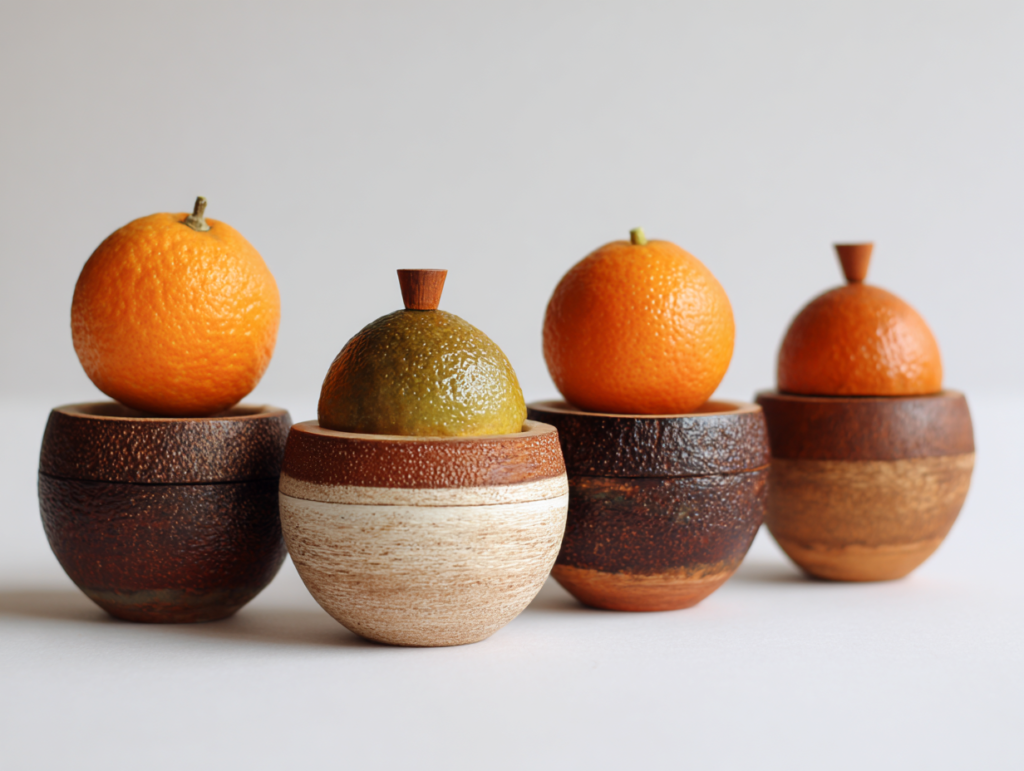
In the 17th and 18th centuries, artisans fashioned what were known as bergamot boxes: delicate containers made from hollowed citrus rinds, most often bitter orange or bergamot.
Once dried and sometimes lined with metal, these aromatic shells served as snuff boxes for finely ground tobacco. The natural oils lingering in the rind subtly perfumed the contents within, lending the ritual an understated elegance.
Beyond tobacco, bergamot boxes also held herbs, resins, and keepsakes—small objects made meaningful by scent and touch. Today, this nearly forgotten craft can be revived with simple tools and fresh citrus, creating containers that are biodegradable, functional, and quietly beautiful.
Materials You’ll Need
Fresh citrus (bergamot, orange, tangerine, or grapefruit)
Paring knife and spoon
Absorbent cloth or paper towels
Small drying rack or dehydrator
Natural twine, ribbon, or waxed thread
Beeswax or natural oil (optional)
Cloves, herbs, or carving tools for decoration
Crafting Your Box
Choose and Hollow: Select a firm fruit free of blemishes. Slice off the top ¼ inch to create a lid. Carefully scoop out the pulp, leaving a rind thick enough to hold its shape—about ¼ inch.
Dry and Shape: Blot moisture from inside and out. Lightly stuff with paper or cloth to maintain shape. Place the halves on a drying rack in a warm, airy space for one to two weeks, turning occasionally. A dehydrator may be used at ~95°F (35°C) until leathery and firm.
Preserve and Polish: Once dry, lightly coat with beeswax or a drop of almond or olive oil. This deepens the color and protects the peel from moisture.
Assemble and Decorate: Attach the lid with twine, ribbon, or waxed thread. While the peel is still slightly soft, press cloves into the surface, or carve simple patterns and initials before fully drying.
Creative Variations
Pomander Boxes with clove patterns
Carved Designs etched before drying
Botanical Inlays sealed with beeswax
Rustic Closures using linen or hemp cord
Aromatic Fillings of lavender, rose, or sandalwood
Modern Uses
Citrus peel boxes make charming zero-waste vessels for:
Solid perfumes or herbal balms
Loose incense or resins
Dried flowers or potpourri
Jewelry and keepsakes
Herbal sachets
Though the snuff boxes of centuries past have faded from daily life, the craft itself remains timeless. Each citrus box carries history in its shape, fragrance in its walls, and care in every imperfect edge—a small, living echo of old-world making.