Your Best Friend Is Getting Older. Here’s How to Make Every Day Count.
5 senior dog health patterns a simple daily record can catch
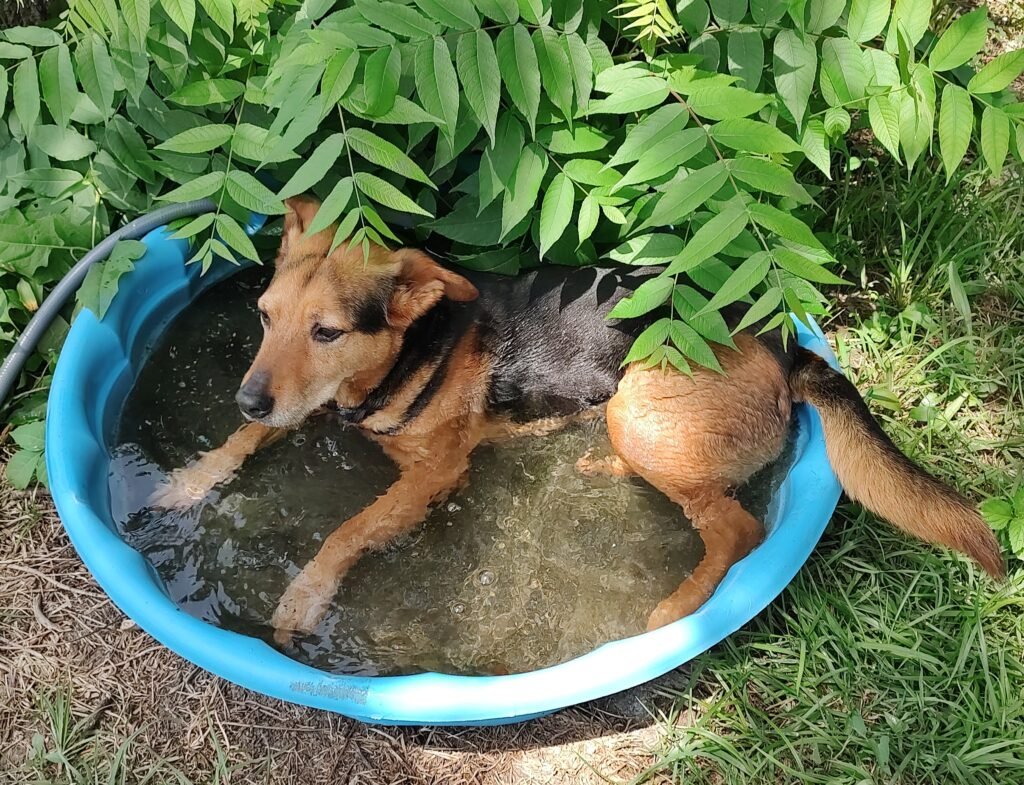
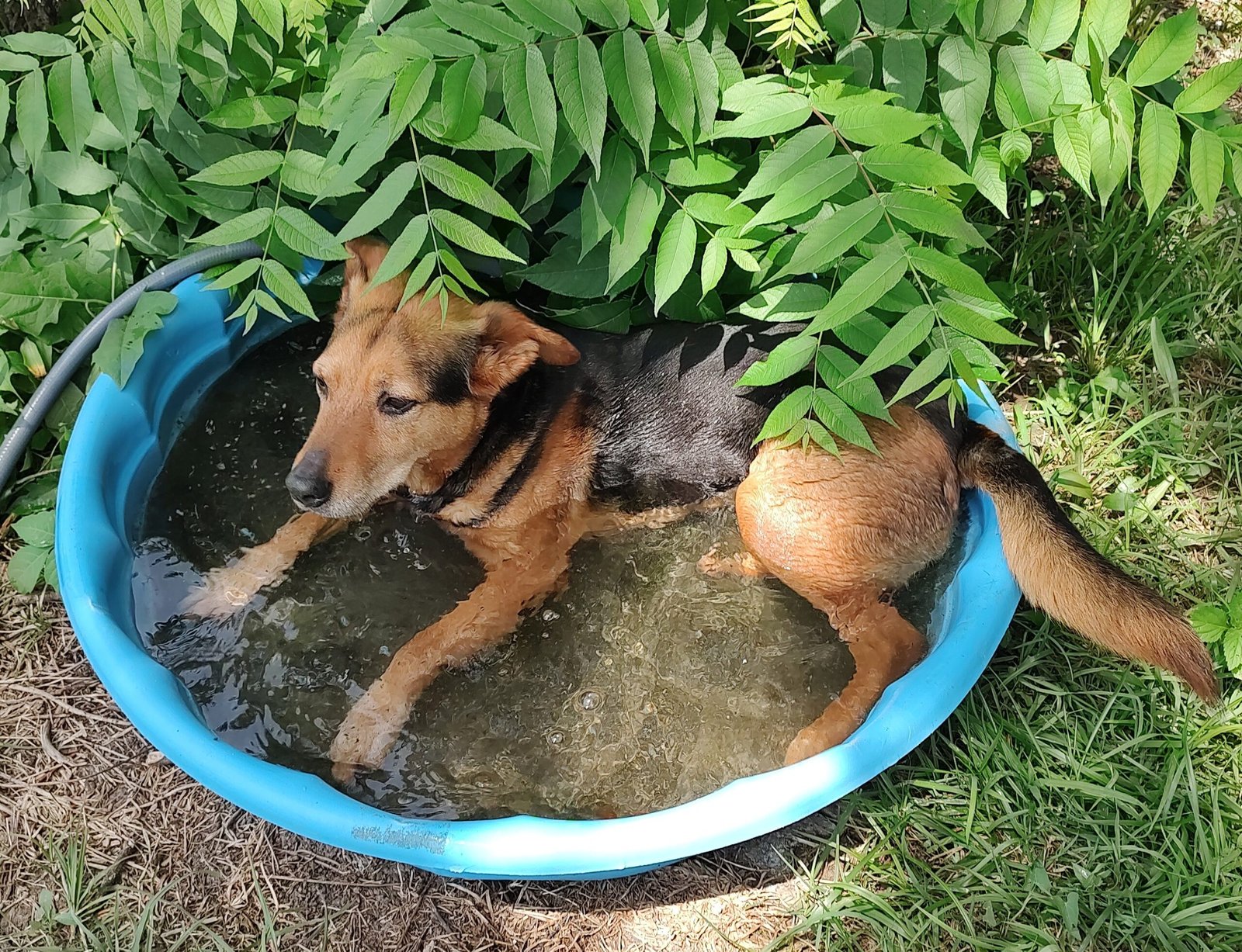
Sheba enjoying her pool
This is the season most people rush past. The gray muzzle. The slower walks. The afternoon naps that stretch a little longer than they used to.
But if you pay attention — real attention — this can also be the richest season you share with your dog. The one where you stop taking the small moments for granted. Where a good morning, a full meal, a tail wag at the door becomes something you hold onto with both hands.
The goal isn’t just to manage your senior dog’s care. It’s to extend their healthspan — the days where they feel good, move well, eat with enthusiasm, and still light up when they see you. More of those days. Better quality in those days. That’s what intentional care looks like.
Tracking is how you get there.
Not because you’re anxious (though you might be). But because a simple daily record reveals patterns you can’t see in real time — patterns that help you adjust food, supplements, activity, and environment before small shifts become big problems. It’s the difference between reacting to a crisis and quietly extending the good stretch.
And here’s the part no one talks about until it’s too late: the way you care for your dog in this season shapes how you carry the loss when it comes. You can’t fully prepare for that. But being present, acting with intention, and honoring the rituals of daily life together brings far more peace once they’re gone.
This article is about both. Savoring this season — and building the record that helps you do it well.
1. Gradual appetite changes
Your dog didn’t stop eating. They just ate a little less last week. And maybe the week before that, too. But you weren’t writing it down, so each day looked fine on its own.
This is one of the most common missed signals with senior dogs. A single skipped meal means nothing. A pattern of declining intake over three weeks might mean dental pain, nausea, organ stress, or medication side effects.
You noticed. But without a daily record, you can’t show your vet the trend. And trends are what help you act early — while there’s still room to adjust and improve how they feel.
2. Pain that looks like “slowing down”
Senior dogs rarely cry out in pain. They compensate. They shift weight. They stop jumping on the couch but still wag when you walk in, so it reads as aging rather than hurting.
Mobility changes are hard to catch without tracking because they happen on a gradient. Monday’s stiffness looks like Tuesday’s stiffness. But if you’d scored mobility a 4 six weeks ago and it’s a 2 now, that’s a conversation worth having with your vet.
A 1–5 scale, tracked daily, catches what memory smooths over. And catching that shift early means more good-mobility days — not just fewer bad ones.
3. Anxiety and restlessness patterns
Pacing at night. Following you room to room. Startling at sounds that never bothered them before. Panting when it’s not hot.
These can signal something specific — and something you can often address. Pain management, supplement changes, environmental adjustments. But only if you have the data.
Telling your vet “she seems more anxious lately” is hard for them to work with. “She’s been pacing 4–5 nights a week for the last three weeks, and it started around the time we changed her supplement” — that gives your vet something specific.
Tracking turns a feeling into a fact.
4. When separate bad days aren’t separate
This is the one that stays with people.
Your dog’s appetite dipped. Their energy dropped. They started drinking more water. Each one, on its own, looked like a bad day or a normal part of aging. But together, those three symptoms can point somewhere specific — and the earlier you connect them, the more options you have.
I learned this with my own dog, Sheba.
Over nine months of vet visits, x-rays, bloodwork, and ultrasounds, her symptoms were treated as separate issues — arthritis here, back pain there. Pain meds were prescribed that were likely putting more stress on her kidneys. By the time I took her to a diagnostician I trusted, she was in end-stage renal failure.
I had to let her go that night.
If I’d had a written record connecting those symptoms across weeks and months — the appetite changes, the energy dips, the subtle shifts that kept getting explained away one at a time — I would have pushed harder, sooner. I would have asked different questions.
That experience is the reason every Cultivated Care pet wellness resource includes our Advocate for Your Pet, Talk to Your Vet™ framework. Not because your vet is the enemy. Because you’re the one who sees your dog every day, and your observations deserve to be taken seriously.
Senior dogs don’t give us years to figure it out.
5. The good days
This one catches people off guard.
It’s easy to let the hard days define this season. But they’re not the whole picture. The afternoon they rolled in the grass. The morning they ate every bite and looked up at you for more. The walk where they lifted their nose to the wind and you thought, there you are.
Tracking isn’t only for symptoms. It’s for evidence that the good days are still happening — and for holding onto them when they start to thin.
You’ll want that record later.
A simple system for savoring and tracking
You don’t need a complicated system. You need a consistent one.
Something you can fill out in two minutes. Something that scores the things that matter — appetite, mobility, energy, pain, anxiety, sleep, confusion — so you can see the shape of a week, not just react to today.
Something that also holds the moments that aren’t medical. The good ones. The ones you’ll want to remember.
If this resonates, here’s where to start.
The Senior Dog Companion Journal is 26 weeks of daily tracking, monthly memory pages, vet visit prep tools, holistic wellness options organized by budget, and space for living ceremonies, end-of-life guidance, and grief resources.
7 × 10 inches. 114 pages. Cream paper. Room to write, track, and remember.
Continue to Cultivate Care
This page includes Amazon Associates links. If you buy through them, I earn a small commission at no extra cost to you.